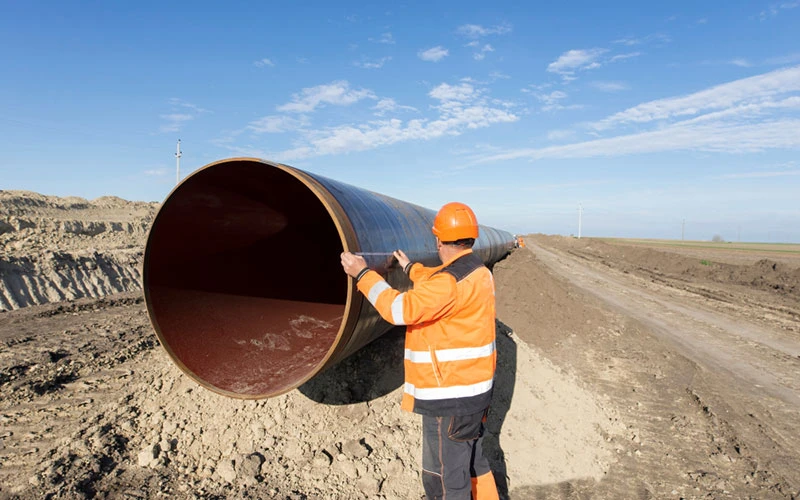
Line Pipe Inspection
Comprehensive inspection of pipelines to ensure structural integrity, safety, and compliance with industry standards.
10:00am - 06:00pm
info@seraphimhydraulicsolution.com
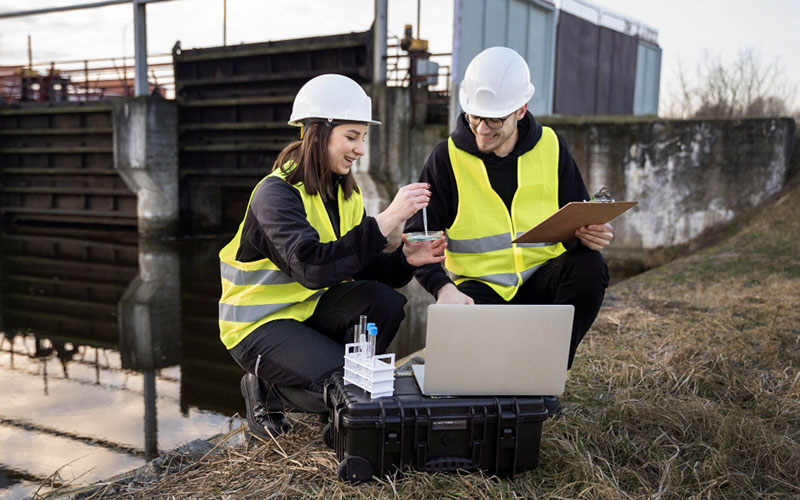
Ultrasonic Testing (UT) Ultrasonic Testing is a widely used method for detecting internal defects in line pipes, such as cracks or corrosion. By sending high-frequency sound waves through the material and measuring the reflection, we can determine the thickness and integrity of the pipe without causing any damage. UT is particularly effective for detecting hidden flaws that are not visible on the surface, making it an essential part of pipeline inspection.
Radiographic Testing (RT) Radiographic Testing uses X-rays or gamma rays to capture detailed images of the internal structure of a pipeline. RT is highly effective for detecting internal flaws such as weld defects, corrosion, or cracks. Our certified technicians conduct radiographic inspections with precision, analyzing the results to ensure that your pipes are free from structural weaknesses that could lead to failure.
Magnetic Particle Inspection (MPI) Magnetic Particle Inspection is a non-invasive technique used to detect surface and near-surface defects in ferromagnetic materials. By magnetizing the pipe and applying magnetic particles, we can reveal cracks, weld defects, or other surface flaws. MPI is particularly useful for inspecting critical areas such as weld joints and pipe connections, ensuring that the pipe is free from imperfections that could affect its performance.
Visual Inspection Visual Inspection is one of the simplest and most effective methods for assessing the condition of line pipes. Our inspectors conduct thorough visual assessments to check for surface defects such as corrosion, cracks, or dents. While this method is typically used for initial assessments or to supplement other testing techniques, it is an essential part of any comprehensive pipeline inspection.
Comprehensive inspection of pipelines to ensure structural integrity, safety, and compliance with industry standards.
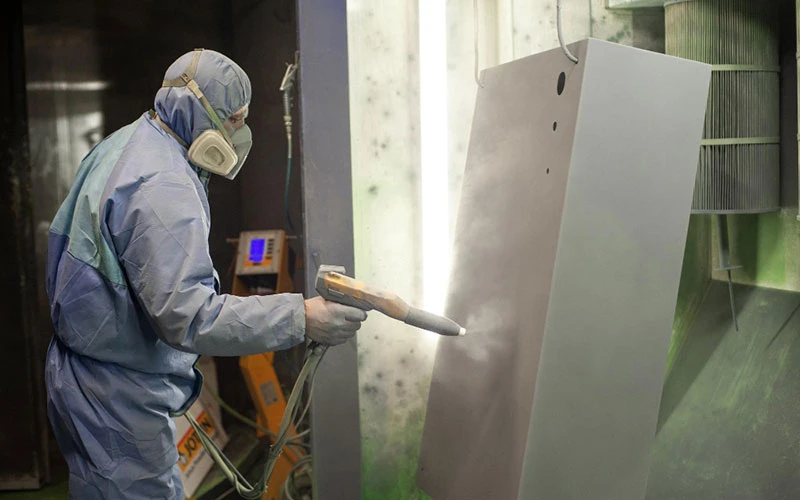
Ensuring protective coatings meet quality standards to prevent corrosion and extend asset life.
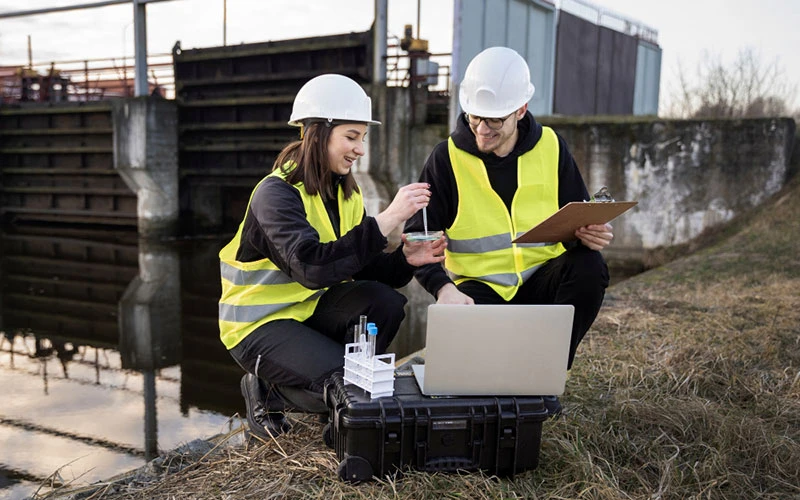
Advanced testing techniques to detect defects and ensure safety without damaging the materials